
The instruments
Three lenses on one model.
Competitors hand over static frameworks and slide decks. Vandium's instruments key off your current state and your goals — each one a view of the same rigorous model, and each anchoring a stage of the engagement method.
Reference lens
TransIT Orbital
What do we have, and how does it relate?
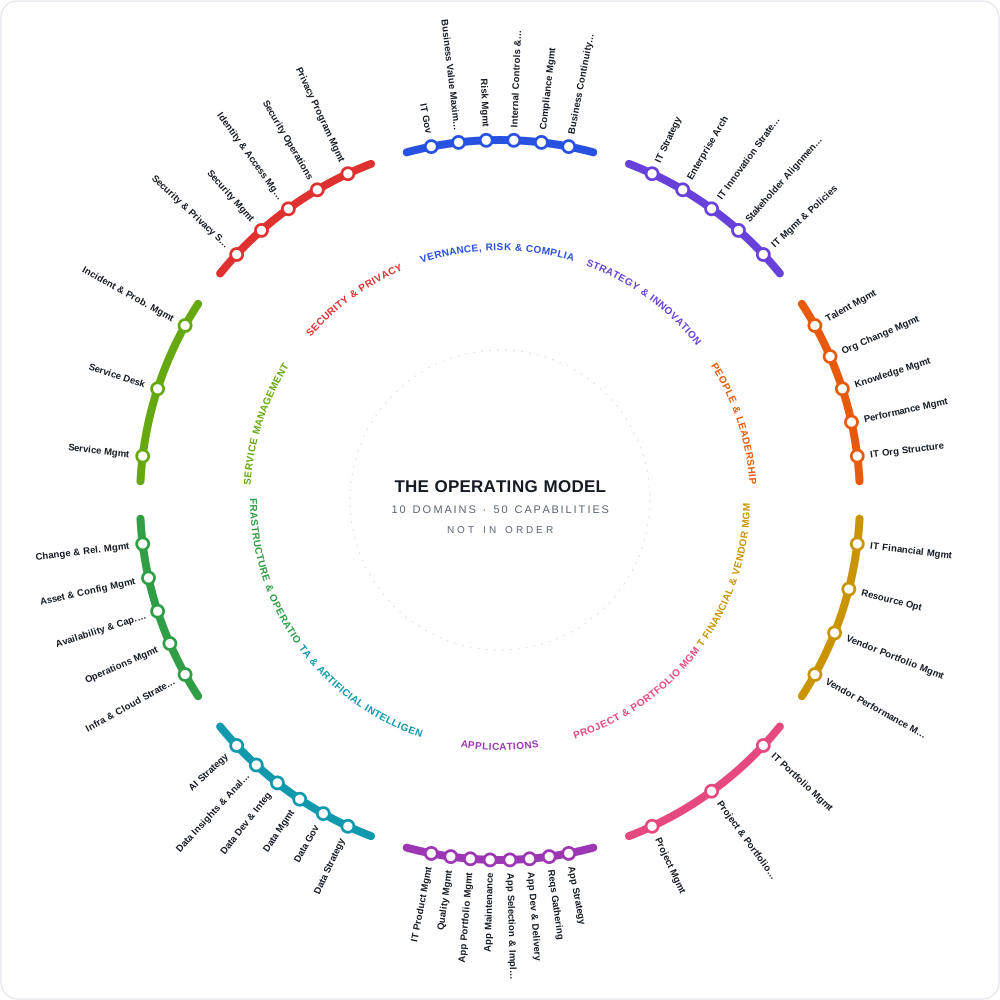
A reference model's job is lookup and relationships — not sequence. The most common framework mistake is a diagram whose left-to-right layout secretly implies an order of operations that does not exist. Vandium deliberately bends the map into a ring: a circle has no start, no end, no first. Like a transit map declares not to scale, this one declares not in order.
Implementation lens
The Outcome Router
What do we do, and in what order?
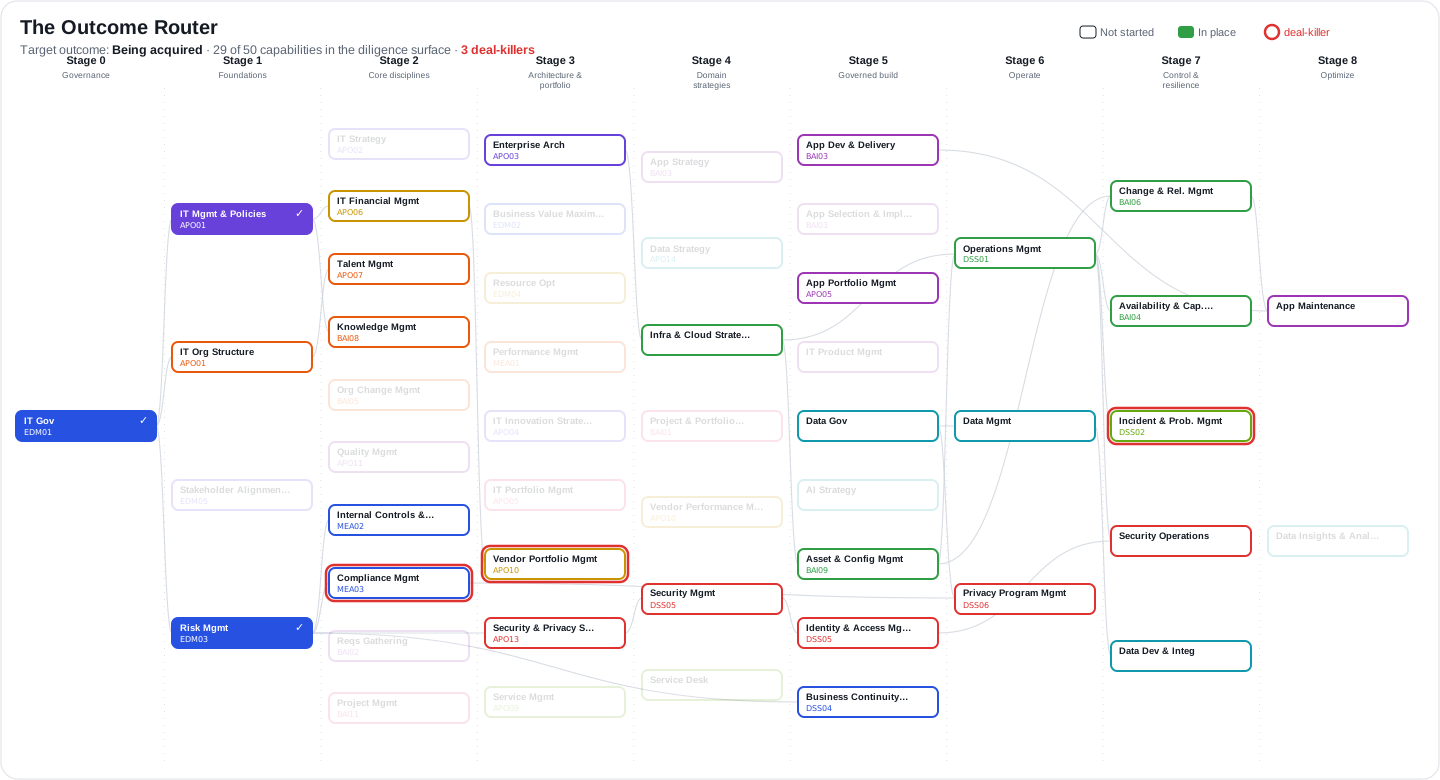
Sequence is not a property of a diagram — it emerges from two inputs a static poster never has: your current-state maturity assessment, and a target outcome. Choose a goal and the fifty capabilities collapse to just the ones that outcome depends on, in dependency order. Mark what you already have, and a buildable-now wavefront lights up your genuine next moves.
Value lens
The Deal Value Bridge
What is it worth — in dollars, on a deal?
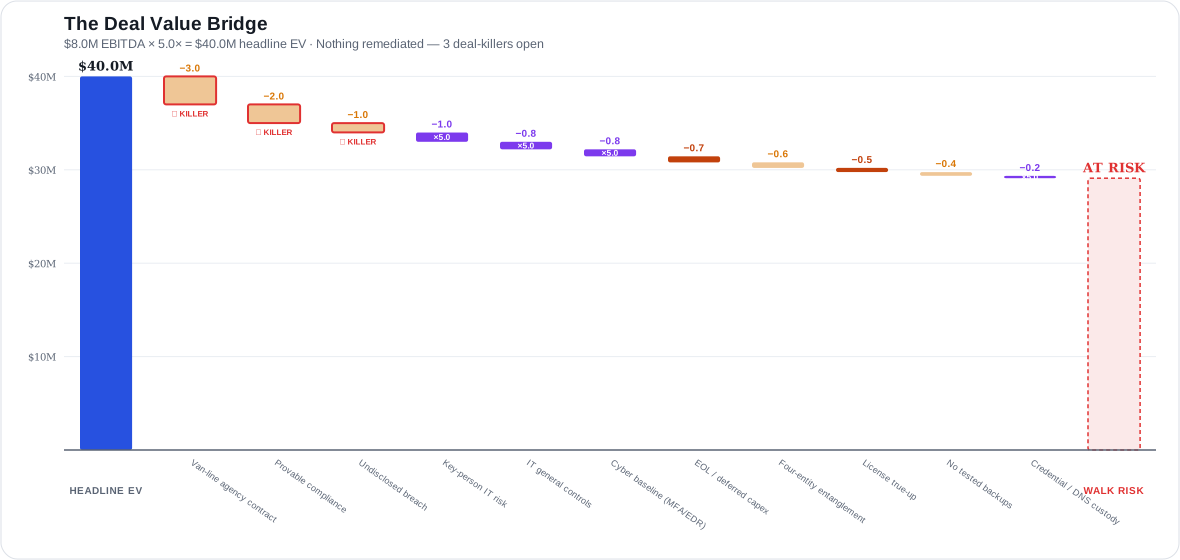
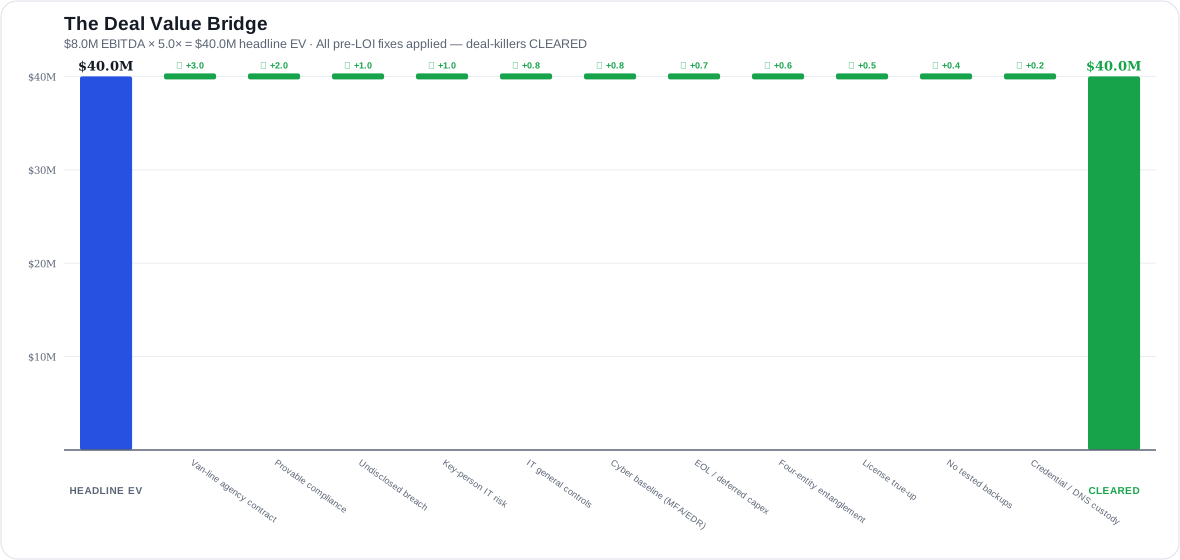
Technology readiness only matters to a deal insofar as it moves price. The Bridge makes that translation literal, and distinguishes the three ways a finding actually hits value: a price chip subtracts permanently; a multiple discount amplifies (a $200k/yr under-spend becomes a $1M swing at 5×); an escrow is parked, not destroyed. Deal-killers are not steps at all — while one is open, the far pier is washed out.
See these run against your estate.
The instruments are populated from your own assessment — which is what turns them from a picture into a plan.